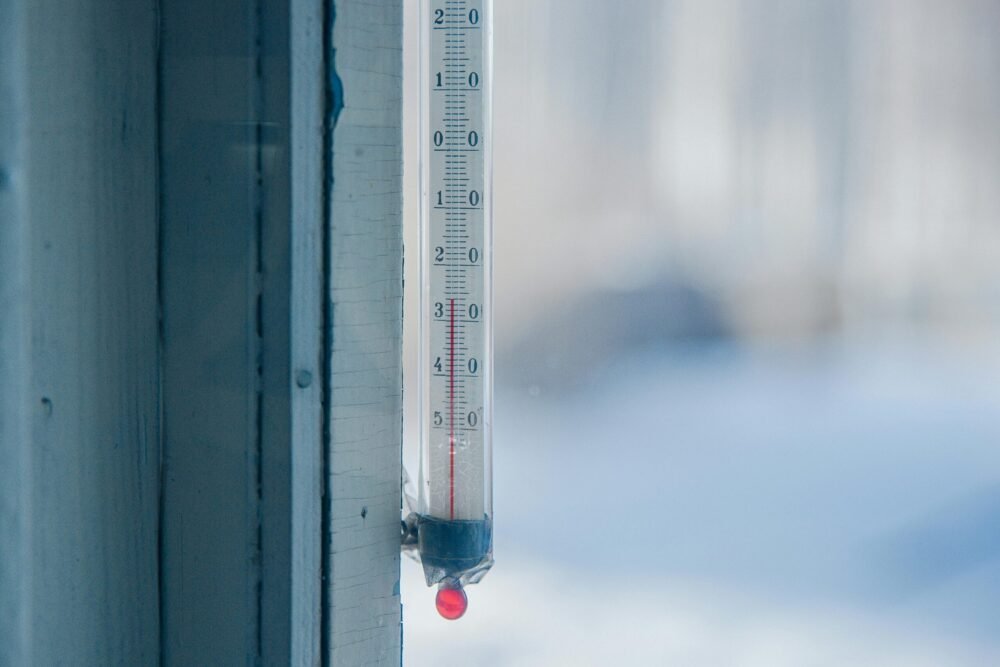
Did you know that a body temperature of 38°C (100.4°F) is considered a fever? Understanding temperature scales is crucial, especially when monitoring health. While many parts of the world use Celsius (°C), the United States primarily uses Fahrenheit (°F). This can lead to confusion, particularly when trying to assess if someone has a fever. Fortunately, converting between these two scales is straightforward.
Why Conversion Matters
Accurate temperature readings are vital for diagnosing and managing illnesses. A fever is a temporary increase in your body temperature, often due to illness. The Centers for Disease Control and Prevention (CDC) defines a fever in adults as a temperature of 103°F (39.4°C) or higher, though lower temperatures can also indicate illness in infants and children. Knowing how to convert ensures you’re interpreting readings correctly and can communicate effectively with healthcare providers.
The Simple Formulas
Converting Celsius to Fahrenheit and vice-versa involves simple mathematical formulas.
Celsius to Fahrenheit (°C to °F)
To convert a temperature from Celsius to Fahrenheit, you use the following formula:
°F = (°C × 9/5) + 32
Let’s break this down:
- Multiply the Celsius temperature by 9/5 (or 1.8).
- Add 32 to the result.
For example, to convert 180°C to Fahrenheit: °F = (180 × 9/5) + 32 °F = (180 × 1.8) + 32 °F = 324 + 32 °F = 356
So, 180°C is equal to 356°F. This is a very high temperature, far beyond what is considered a normal human body temperature. For more on this specific conversion and other examples, you can check out 180 C to F.
Fahrenheit to Celsius (°F to °C)
To convert a temperature from Fahrenheit to Celsius, you use this formula:
°C = (°F – 32) × 5/9
Here’s how it works:
- Subtract 32 from the Fahrenheit temperature.
- Multiply the result by 5/9 (approximately 0.5556).
For instance, let’s convert a common fever temperature, 102°F, to Celsius: °C = (102 – 32) × 5/9 °C = 70 × 5/9 °C = 350 / 9 °C ≈ 38.9°C
This shows that 102°F is indeed a fever.
Understanding Normal Body Temperature
Normal human body temperature is often cited as 98.6°F (37°C), but this can vary slightly from person to person and throughout the day. According to Wikipedia’s entry on body temperature, studies have shown that the average is closer to 97.9°F (36.6°C). A temperature above 100.4°F (38°C) is generally considered a fever.
Quick Conversion Tips
- For a rough estimate: Subtract 30 from the Fahrenheit temperature and divide by 2 to get an approximate Celsius value.
- For a rough estimate: Multiply the Celsius temperature by 2 and add 30 to get an approximate Fahrenheit value.
These shortcuts are helpful for quick checks, but using the precise formulas ensures accuracy. For more detailed information on health guidelines and temperature, the National Institutes of Health (NIH) is a reliable source.
Conclusion
Mastering the conversion between Celsius and Fahrenheit is a simple yet powerful skill for anyone monitoring health. Whether you’re using a thermometer that displays in one scale or the other, knowing these formulas allows for quick and accurate interpretation of body temperatures, helping you make informed decisions about seeking medical advice.
Frequently Asked Questions (FAQs)
What is considered a fever in Celsius?
A fever is generally considered a body temperature of 38°C (100.4°F) or higher.
Is 98.6°F the only normal body temperature?
No, normal body temperature can fluctuate slightly and is often closer to 97.9°F (36.6°C) on average.
How often should I check a child’s temperature if they have a fever?
The frequency of checking a child’s temperature depends on their age and the severity of the fever. Always consult with a pediatrician for specific guidance. You can find general advice on fever management from sources like the [Mayo Clinic](https://www.mayoclinic.org/diseases-conditions/fever-in-adults/diagnosis-treatment/drc-20352764).
Can ambient temperature affect thermometer readings?
Yes, extreme ambient temperatures can potentially influence thermometer readings. It’s best to take temperatures in a stable room environment.