Flan is one of those timeless desserts that manages to be both simple and indulgent. Known across Europe and Latin America, it has a fascinating history and a comforting flavour profile that makes it a favourite at family gatherings and dinner parties alike. But what exactly is flan, and why has it remained so popular for centuries?
Origins of Flan
The roots of flan can be traced back to ancient Rome, where eggs were first used to create custard-like dishes. Over time, this culinary tradition spread across Europe, particularly in Spain and France, where flan became a staple dessert. Spanish colonists later introduced it to Latin America, where it evolved into the caramel-topped version most people recognise today.
What Makes Flan Unique
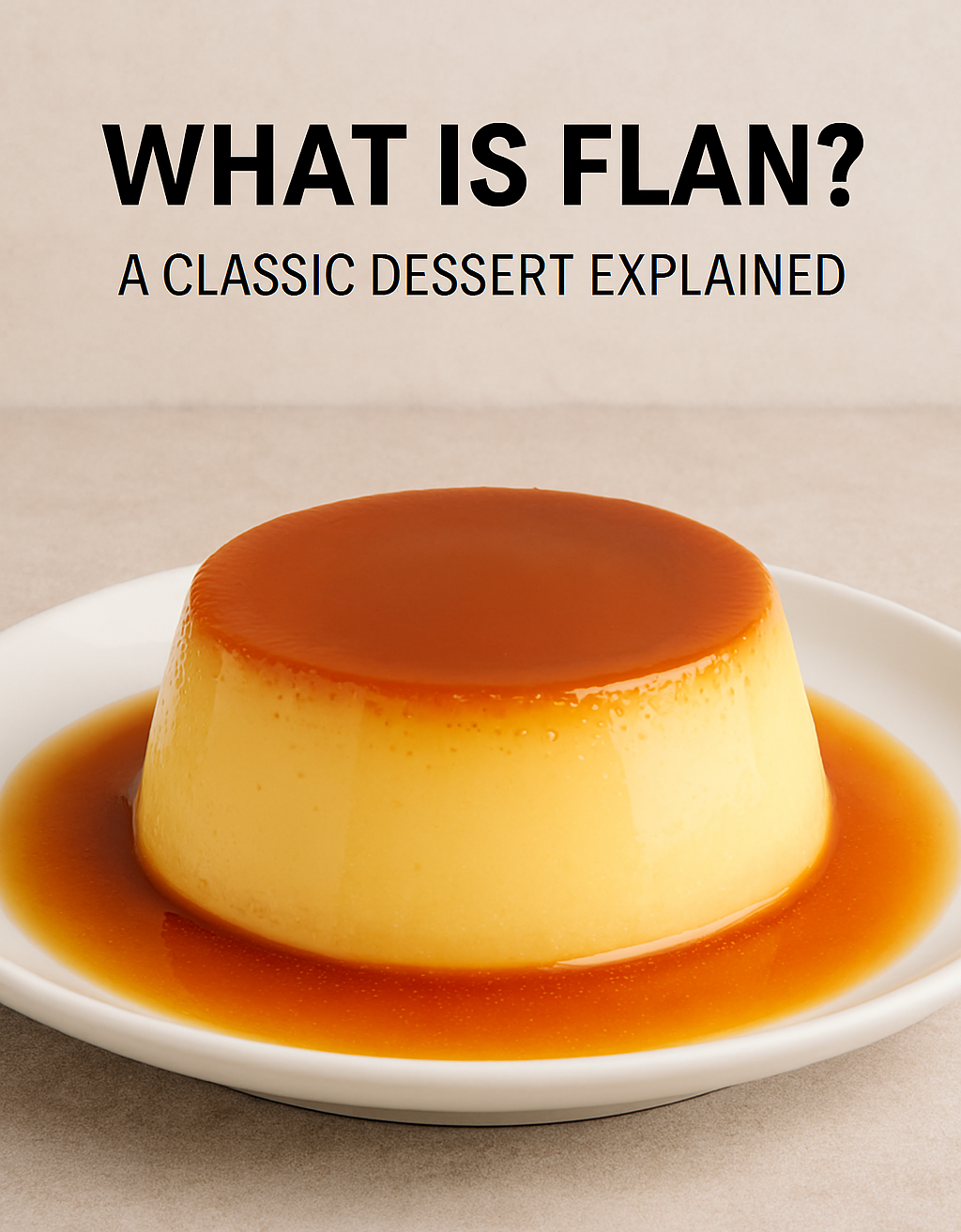
At its core, flan is a baked custard dessert made from eggs, milk, sugar, and vanilla. What sets it apart is the layer of caramel that coats the top, giving it a glossy finish and a rich, bittersweet flavour. When the flan is inverted onto a plate, the caramel sauce cascades down the sides, creating a beautiful presentation.
The texture is equally important. A well-made flan should be silky, smooth, and slightly firm, with just the right wobble. It’s lighter than cheesecake but more indulgent than a simple pudding, striking a perfect balance between elegance and comfort.
Variations Across Cultures
While the classic caramel flan is the most widely known, different regions have their own twists:
- Spanish flan often sticks to the traditional recipe, highlighting the simplicity of custard and caramel.
- Mexican flan may include condensed milk, giving it a richer, creamier texture.
- French crème caramel is essentially the same dessert but often served in individual ramekins.
- Philippine leche flan is denser and sweeter, typically made with more egg yolks.
These variations show how adaptable flan is, allowing each culture to put its own spin on the dessert.
Why Flan Endures
Flan’s enduring popularity lies in its versatility. It can be served chilled on a hot summer’s day or as a comforting treat in colder months. It’s sophisticated enough for formal occasions yet simple enough to make at home. The combination of creamy custard and caramelised sugar appeals to a wide range of palates, making it universally loved.
Making Flan at Home
If you’re tempted to try this classic dessert yourself, you’ll be pleased to know it doesn’t require complicated techniques. The key is to master the caramel and ensure the custard is baked gently, often in a water bath, to achieve that perfect texture.
For a step-by-step guide, you can explore this excellent flan recipe resource, which walks you through the process of creating your own homemade version.
Final Thoughts
Flan is more than just a dessert; it’s a culinary tradition that has travelled across continents and stood the test of time. Whether you enjoy it in its classic form or experiment with regional variations, flan offers a delightful combination of simplicity and sophistication. Next time you’re looking for a dessert that impresses without overwhelming, flan might just be the perfect choice.
Would you like me to also suggest some creative flavour twists—like coffee, coconut, or citrus—that can elevate a traditional flan into something truly unique?