Italy is a country where food isn’t just nourishment—it’s tradition, memory, and celebration rolled into one. During the holidays, Italian families gather around tables full of handmade sweets, many of which date back centuries. These desserts aren’t just about sugar and flour; they’re culinary heirlooms that connect generations.
Here are five of the most beloved Italian holiday treats that you’ll find in homes, bakeries, and festive markets across Italy.
1. Struffoli – Naples’ Golden Honey Bites
Struffoli are tiny fried dough balls glazed with honey and decorated with colourful sprinkles, candied fruit, or even chocolate chips. This Neapolitan delicacy is perhaps the most iconic Italian Christmas sweet.
-
Origins: Struffoli are believed to trace back to ancient Greece, with their name derived from the Greek word strongoulos, meaning “rounded.” Over centuries, Neapolitans adopted the dish, and it became a must-have for Christmas Eve.
-
Preparation: The dough is made with flour, eggs, butter, and a splash of limoncello or anise liqueur. Once fried, the golden nuggets are tossed in warm honey and shaped into a wreath or mound.
-
Symbolism: The honey glaze represents abundance and happiness, while the round shape symbolises unity and eternity—perfect sentiments for the holiday season.
-
Modern Variations: Some families add orange zest or cinnamon to the dough, while others drizzle melted chocolate over the finished treat.
Struffoli are not just food—they’re an edible centrepiece at many Italian Christmas tables.
2. Panettone – Milan’s Towering Christmas Cake
If there’s one Italian dessert recognised worldwide during Christmas, it’s panettone. This tall, fluffy, sweet bread originates from Milan and has become a global holiday staple.
-
History: Legends suggest it was invented by a 15th-century baker named Toni, hence the name pan di Toni. By the 20th century, industrial bakeries like Motta and Bauli popularised panettone across Italy and beyond.
-
Ingredients: Panettone is enriched with butter, eggs, raisins, and candied citrus peel. Its long fermentation process gives it a light, airy texture that sets it apart from regular sweet bread.
-
Cultural Significance: Giving panettone as a gift is a common tradition, symbolising prosperity and goodwill. In many Italian homes, it’s served on Christmas Day with a glass of spumante or sweet wine.
-
Variations: Today, you can find versions filled with chocolate chips, pistachio cream, or even covered in icing. Gourmet bakeries often experiment with innovative flavours, but the classic remains beloved.
3. Pandoro – Verona’s Star-Shaped Sweet Bread
Often seen as panettone’s “cousin,” pandoro hails from Verona and is known for its soft, buttery texture and iconic star shape.
-
History: The name pandoro means “golden bread,” a nod to its rich yellow crumb, thanks to egg yolks and butter. It became popular during the Venetian Republic, though it reached national fame in the 19th century.
-
Texture and Flavour: Unlike panettone, pandoro doesn’t usually contain dried fruit. Instead, it has a delicate, sponge-like consistency dusted generously with vanilla-scented powdered sugar, resembling snowy peaks.
-
Tradition: Families often slice it horizontally, rotate the layers, and stack them into a Christmas “tree.” It’s especially beloved by children for its simple, sweet flavour.
-
Modern Takes: Chefs now experiment with fillings such as mascarpone cream, Nutella, or pistachio paste.
Pandoro is the elegant, understated treat of the Italian holiday season—less flashy than panettone but equally adored.
4. Torrone – Italy’s Nougat Treasure
Torrone, the Italian version of nougat, is a festive treat found in markets and homes during both Christmas and Easter.
-
Origins: Torrone is thought to have Arab roots, arriving in Italy through Spain and becoming a staple in regions like Cremona, Benevento, and Sardinia.
-
Ingredients: It’s made with honey, egg whites, and roasted nuts (typically almonds, hazelnuts, or pistachios). Depending on the recipe, it can be soft and chewy or hard and crunchy.
-
Regional Traditions: Cremona hosts the Festa del Torrone every November, celebrating the city’s nougat heritage with giant displays and tastings.
-
Cultural Role: Torrone is often included in holiday gift assortments, reflecting abundance and the joy of sharing.
With its nutty crunch and sweet honey notes, torrone is a timeless Italian holiday indulgence.
5. Ricciarelli – Siena’s Almond Cookies
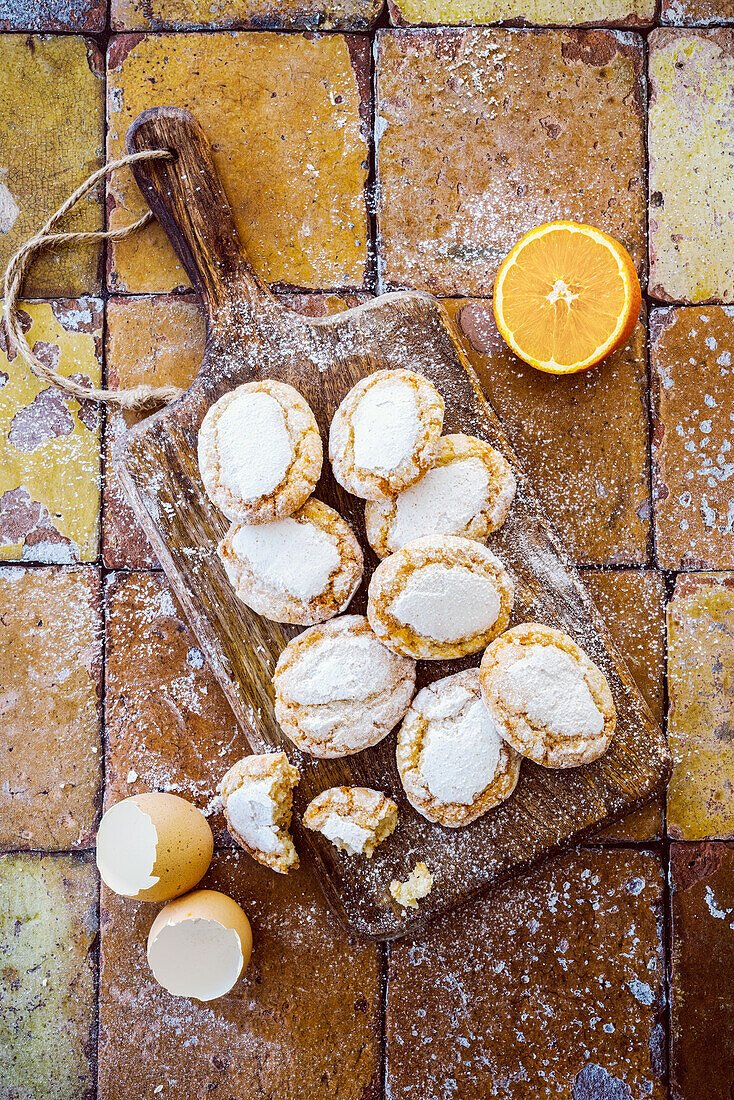
Ricciarelli are soft, chewy almond cookies from Siena, Tuscany, traditionally enjoyed during Christmas.
-
History: These cookies date back to the 14th century and are said to have been inspired by Middle Eastern sweets brought back by the Crusaders.
-
Ingredients: Made with almond flour, sugar, and egg whites, ricciarelli are often dusted with powdered sugar and flavoured with orange zest or vanilla.
-
Texture and Flavour: Unlike the crisp amaretti, ricciarelli are tender and moist inside, offering a melt-in-your-mouth experience.
-
Tradition: They’re typically served with dessert wines like Vin Santo, making them a staple of Tuscan holiday tables.
-
Recognition: In 2010, Ricciarelli di Siena received Protected Geographical Indication (PGI) status in the EU, ensuring their authenticity.
These almond-rich cookies are the perfect sweet bite to round off an Italian holiday feast.
Key Takeaways
| Italian Treat | Origin | Key Ingredients | Holiday Role | Modern Variations |
|---|---|---|---|---|
| Struffoli | Naples | Dough balls, honey, sprinkles | Christmas centerpiece | Chocolate drizzle, citrus zest |
| Panettone | Milan | Raisins, candied fruit, butter | Gift-giving & dessert | Chocolate, pistachio, gourmet flavours |
| Pandoro | Verona | Butter, eggs, powdered sugar | Shared on Christmas Day | Filled with creams, Nutella, and mascarpone |
| Torrone | Cremona & Benevento | Honey, nuts, egg whites | Festive market staple | Soft vs crunchy textures |
| Ricciarelli | Siena | Almond flour, sugar, egg whites | Christmas cookies | Citrus or vanilla flavours |
Italian holiday desserts aren’t just sweets—they’re expressions of culture, history, and family tradition. From the honey-coated struffoli of Naples to the almond-rich ricciarelli of Siena, each treat tells a story passed down through generations.